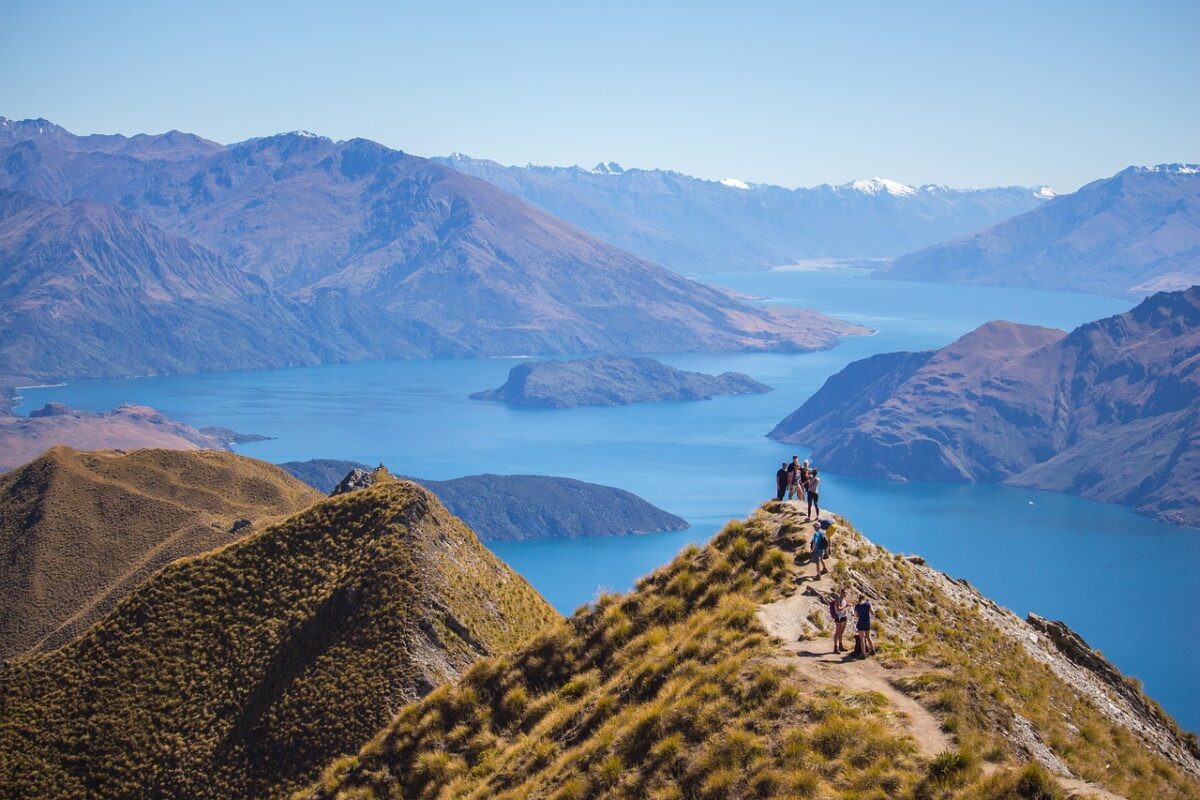
New Zealand is a stunningly beautiful country that offers an incredible array of natural wonders, from majestic mountains to pristine beaches and everything in between. Whether you’re planning a road trip, a hiking adventure, or simply want to experience the unique culture and lifestyle of this island nation, there are a few essential travel tips to keep in mind to ensure that your trip goes smoothly. From packing the right gear to navigating the country’s unique power outlets, these tips will help you make the most of your New Zealand adventure. So, before you pack your bags, take a few minutes to read through these essential travel tips for New Zealand.
Accommodation Options
You might be tempted to overlook the importance of selecting appropriate accommodations, however, doing so could lead to a disappointing experience or extra expense due to unmet expectations. Therefore, it is important to understand the various accommodation options available to make an informed decision based on one’s travel needs and budget.
New Zealand offers a variety of lodging choices ranging from hostels and hotels, through motels and camping grounds, up to luxury resorts at five-star locations. Hostels offer basic amenities such as shared kitchens and bathrooms with dormitory-style beds; they tend to be the most affordable option for solo travellers or those who are staying short-term but may lack privacy. Hotels provide private rooms and additional services such as room service, fitness centres, and swimming pools; these are usually more expensive than hostels but still relatively reasonable when compared internationally. Motels typically have modest facilities including kitchenettes which allow guests some degree of self-sufficiency during their stay while being less costly than standard hotel offerings.
Camping grounds provide access to nature on a budget but require special equipment for overnight stays—making them best suited for experienced campers rather than first-time visitors. Finally, resort packages can take care of all your vacation needs by providing top-quality accommodations paired with meals and activities tailored according to individual preferences; however, this type of accommodation tends to be quite pricey regardless of location within New Zealand.
Transportation In New Zealand
Getting around this nation of two islands can be an adventure in itself – from taking ferries or domestic cheap flights between their main cities to driving through winding mountain roads surrounded by lush forests. Discovering the wonders that New Zealand has to offer requires reliable transportation options, making sure your journey is as safe and comfortable as possible.
For visitors who want to enjoy all that the country has to offer there are several transport methods available:
- Plane – travelling domestically within New Zealand allows you to experience some of its best attractions without having to drive long distances.
- Car – hiring a car gives you freedom and flexibility when exploring; however, keep in mind that road rules may differ from what you’re used to.
- Bus – public buses can take you almost anywhere on both islands with daily services connecting major cities and towns.
- Train – scenic railway trips are popular amongst tourists providing breathtaking views of nature along the way.
Using any combination of these four modes of transportation will make navigating this picturesque destination easier than ever before. Whether looking for a more leisurely travel option like train rides or wanting something faster such as planes, getting around New Zealand is hassle-free thanks to its comprehensive network of transport links. For those seeking convenience while travelling, bus routes provide regular services throughout the country so passengers can reach their desired destinations quickly.

Travel Insurance
When travelling to New Zealand, it is important to consider travel insurance. Travel insurance covers medical costs and expenses for unexpected events that may occur during the trip, such as flight cancellation or lost luggage. It also provides reimbursement for any costs incurred if the traveller needs to cancel their trip due to an illness or injury. Additionally, some policies provide coverage in case of emergency evacuation from the country.
It is essential for travellers to understand what their policy will cover before purchasing travel insurance, so they can choose a plan that meets their individual requirements. Researching different companies and comparing plans can help ensure travellers are getting the best value for their money. Furthermore, understanding the terms and conditions of each policy is key, including which activities may be excluded from coverage.
Language and Culture
New Zealand offers a unique cultural experience, with its diverse range of languages and cultures. It is the perfect destination for those looking to immerse themselves in an entirely different environment from their own. The country’s stunning landscapes and warm hospitality provide visitors with a truly memorable getaway.
The official language of New Zealand is English, but there are also several other indigenous languages spoken throughout the islands. Māori is the traditional language of Aotearoa (the Māori name for New Zealand), which has been around since pre-colonial times and still resonates through many aspects of culture today. Other minority languages such as Samoan, Tongan and Cook Islands Maori can be heard in places like Auckland and Wellington. Learning about these languages and cultures provides travellers with an insight into New Zealand’s history, traditions and way of life – making it easier to understand local customs and connect with locals on a deeper level.
Visiting another country can often bring up feelings of uncertainty or even fear – especially when it comes to navigating new social norms that may differ greatly from our own culture. However, being open-minded while travelling will ensure you have a positive experience no matter where you go! Understanding how people dress differently than back home, getting used to greetings such as ‘Kia Ora’ instead of ‘Hello’ or learning more about Māori spirituality are all great ways to start feeling comfortable within your surroundings faster. Exploring the art galleries, and museums or attending festivals dedicated to native music and dance will give you further insight into this beautiful nation’s vibrant culture.
Visas and Immigration
In general, visitors from most countries will need to obtain either a visa or an Electronic Travel Authority (ETA) before they can enter New Zealand. This process requires certain documents, including valid passports, proof of accommodation and any other pertinent information that may be required by authorities. It should be noted that visas and ETAs must be obtained prior to entering the country; otherwise, entry may not be allowed.
The length of stay which is granted depends on both nationality and purpose of visit. For example, some citizens do not require a visa if they plan to stay fewer than 90 days, while others may be granted longer stays depending on their reason for visiting the country. Therefore, it is essential for travellers to check with the appropriate embassies or consulates beforehand to determine their eligibility for entry into New Zealand as well as how long they can remain there legally.
Local Cuisine
New Zealand is home to a unique and diverse cuisine that is sure to satisfy any food lover. With its mix of cultural influences, the country offers dishes with flavours from all over the world. The most common type of cuisine in New Zealand comes from European cooking traditions, such as British-style roasts and Bavarian sausages. It also includes indigenous Māori recipes like hāngi (food cooked in an underground oven) and kumara chips.
In addition to this traditional fare, there are several more modern options available. One popular dish found in many restaurants is fish and chips, which combines deep-fried white bait or other types of seafood with potatoes. There are also plenty of vegetarian alternatives, including falafel wraps and quinoa salads. For dessert, you can try pavlova – a meringue cake topped with cream and fresh fruit – or the classic lamington sponge cake filled with jam and covered in chocolate icing.

Weather and Clothing
New Zealand is an island nation, and its climate can be unpredictable. While the country generally experiences mild weather, it also has high levels of humidity. As such, visitors to New Zealand need to come prepared for all sorts of conditions – from rain and snow to sunshine and heat waves. It’s important to know what type of clothing will best suit your travels, to make sure you enjoy the most out of your visit.
When packing clothes for a trip to New Zealand, consider bringing items that are suitable for layering. Long-sleeved shirts with breathable fabrics like cotton or linen will help keep you cool during hot days while also providing protection against chilly winds on colder days. A light waterproof jacket could also be useful if there’s a chance of rain or snow showers during your stay. Don’t forget to bring some comfortable walking shoes too! With so much natural beauty spread across the many islands that make up the country, exploring by foot is one of the best ways to experience it all first-hand.
Preparing yourself for New Zealand’s variable climate means having versatile wardrobe options that are both practical and stylish at once; this way you can ensure you have everything necessary while still looking great throughout your vacation! From appropriate outerwear pieces and footwear choices down to lightweight layers like t-shirts, sweaters and cardigans, carefully selecting each item ahead of time will guarantee an enjoyable journey no matter what Mother Nature throws your way.
Safety and Security
The country is generally considered safe, with low levels of crime and an overall welcoming atmosphere; however, visitors should take the necessary precautions when abroad. From being aware of your surroundings to researching reliable transport options, there are multiple steps that can be taken to ensure a secure journey:
- Planning Ahead – Before departing, travellers should research their destination thoroughly. This includes ensuring they obtain any visas or travel documents that may be required in advance. Additionally, making sure you have sufficient funds available as well as having emergency contact information easily accessible will help provide peace of mind during your stay.
- During Your Trip – Once on the ground it’s important to remain vigilant at all times. Knowing where you are going in advance and familiarising yourself with local laws and customs can also go a long way towards avoiding unwanted attention from authorities. It is also advisable not to leave valuables unattended or display them prominently while out and about.
- Stay Connected – Finally, make sure friends and family know where you are planning on visiting whilst abroad so they can keep track of your whereabouts throughout your trip. Having access to communication devices such as phones or laptops means that support is just a few clicks away if needed.
Popular Tourist Attractions
New Zealand is the land of stunning beauty and a plethora of tourist attractions. It can be compared to an open book, waiting for its readers to turn each page to explore new sights and sounds. When visiting New Zealand, here are some top places that one must visit:
- Hobbiton Movie Set – The iconic movie set from Lord of the Rings was built in Matamata where visitors can take guided tours through 12 hectares of picturesque farmland with 44 hobbit holes, double arched bridge, mill and other structures.
- Milford Sound – Often referred to as the 8th wonder of the world; this fiord situated in Fiordland National Park has majestic mountains, cascading waterfalls and calm waters. A cruise around the sound offers spectacular views including Mitre Peak which rises 1,692 meters above sea level.
- Waitomo Glowworm Caves – This underground cave system located in Waikato region houses glowworms that light up like stars when seen at night providing a surreal experience unlike anything else. Visitors have the option to join boat tours or caving expeditions within these caves.

Right Travel Adapter
If you’re planning to travel to New Zealand from another country, it’s important to keep in mind that the power outlets in New Zealand use type 1 three-pin connectors. This means that you’ll need an adapter to plug in your electronics from overseas.
Adapters are readily available in many electronic stores, airports, and even some hotels. It’s a good idea to bring one with you, just in case you can’t find one easily when you arrive in New Zealand. Additionally, make sure to check the voltage of your electronics to ensure they are compatible with New Zealand’s power supply, which operates at 230 volts and 50 hertz.
Things To Avoid
New Zealand is an incredibly beautiful and unique country, known for its stunning landscapes, diverse wildlife, and friendly locals. Despite its natural beauty, it’s important to be aware of certain things one should avoid while travelling in New Zealand.
For starters, visitors should take care to respect the culture and customs when visiting Maori communities. For example, this means that taking photos or video footage without permission is not allowed on private land or at sacred sites. Additionally, travellers should also adhere to all traffic laws as there are several strict fines imposed for breaking them. Be mindful of speed limits, especially near schools, parks and residential areas. Furthermore, camping outside designated campgrounds is prohibited in many parts of the country so be sure to do your research before you go!
It’s essential to remember that New Zealand has some very strict biosecurity measures in place due to its fragile environment; tourists must declare any food items they bring into the country upon arrival. Failure to comply with these regulations can result in hefty fines or even jail time if convicted. To prevent any issues from arising, always check what items are permitted entry into New Zealand before leaving home.