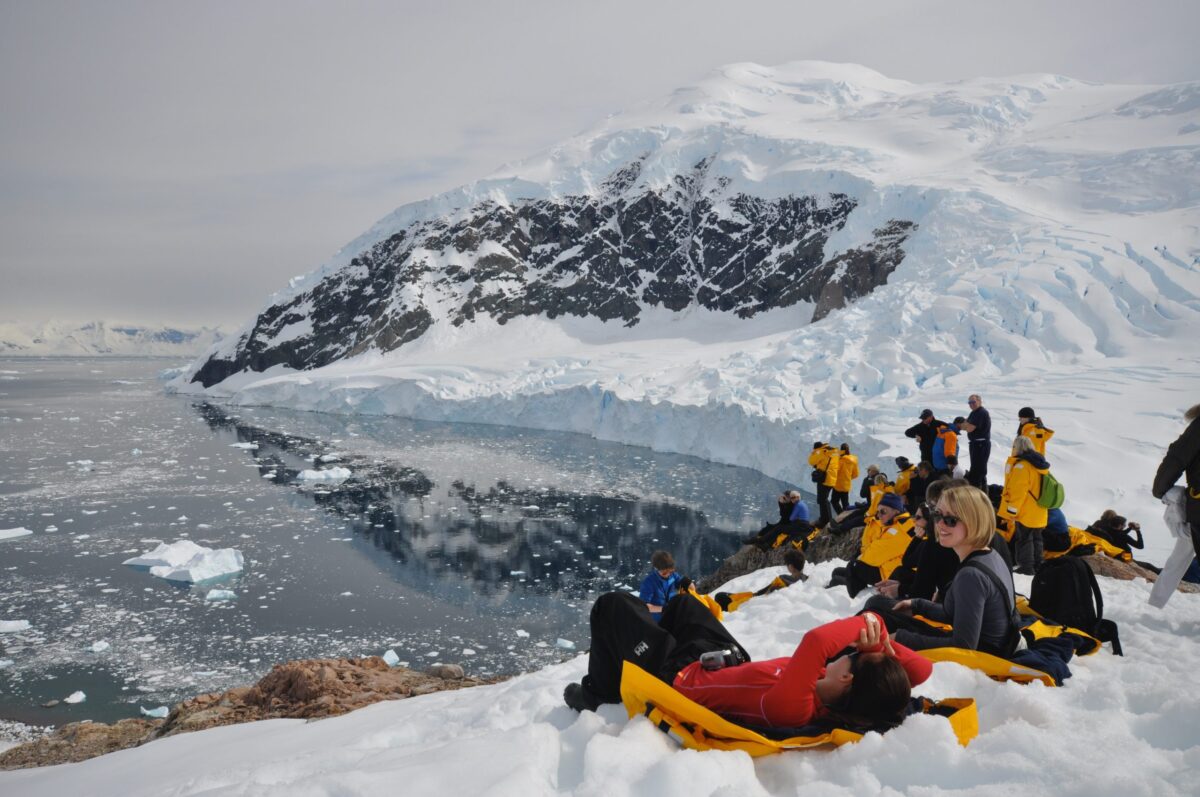
Antarctica, the coldest and most remote continent on Earth, is home to some of the world’s most unique wildlife and stunning landscapes. Despite its remoteness, Antarctica has become increasingly accessible for travellers seeking an unforgettable experience. Many are curious about what it would be like to visit this icy wilderness, but there are a few things one should know before embarking on such a journey. In this article we will explore whether travel to Antarctica is feasible, outlining the necessary preparations as well as discussing potential obstacles.
Why Visit Antarctica?
If you are looking for an alternative to a tropical island, then Antarctica is indeed quite the opposite. Instead of sun-soaked beaches and warm waters, Antarctica offers breathtaking landscapes of ice and snow, rugged coastlines, and abundant wildlife such as penguins, seals, and whales. It is a destination for adventure seekers, nature enthusiasts, and those who appreciate the beauty and fragility of our planet’s polar regions. While it may not be a typical vacation spot, it can offer a once-in-a-lifetime experience for those who are willing to brave the cold and remote environment.
Antarctica offers visitors views that cannot be found elsewhere in the world – vast stretches of icy terrain, imposing glaciers, and undisturbed nature on display like few other places offer. Additionally, travellers have the chance to observe some of the local wildlife such as penguins, seals and whales up close.
The region also has a wealth of interesting stories from explorers across centuries who attempted to make it their home or conquer its challenging landscape. From Ernest Shackleton’s ill-fated expedition at the start of the 20th century to modern-day scientific endeavours researching climate change and oceanography – there are many ways one can learn more about Antarctica’s fascinating past through tours and guided activities.
What Are the Best Times of Year to Visit Antarctica?
An expedition to Antarctica is an unforgettable adventure. The abundance of wildlife, the expansive glaciers and icebergs, and the vast open white wilderness make it a unique place for exploration and discovery. But when is the best time to visit this remote continent? Alliteration aside, there are many factors to consider when planning your Antarctic journey that will help you determine the optimal time of year to explore its wonders.
The most important factor in choosing when to travel to Antarctica is the weather conditions during different seasons. The summer months from November through February offer up warmer temperatures with around 10 hours of daylight per day – perfect conditions for outdoor excursions on land or by sea.
During these peak times, travellers can enjoy longer days outdoors without having to worry about extremely cold temperatures or darkness setting in the early evening. However, summertime also brings higher winds which could be difficult for some activities such as camping or sailing trips. Additionally, more people tend to visit Antarctica during this season due to favourable climatic conditions which may add extra costs to your trip depending on where you go and what type of accommodations you select.
On the flip side, winter provides calmer seas and fewer crowds than summer but requires visitors to bundle up with proper gear before venturing out into the elements. From April until October, average temperatures range between -10°C (14°F) and 0°C (32°F), making it difficult for certain activities like kayaking or snorkelling – although those who do brave the chillier climate often find themselves rewarded with stunning views only visible at night thanks to limited sunlight throughout much of the day during winter months.
Given these considerations however, if you want access to all that Antarctica has to offer then perhaps springtime from March through May would be ideal since you get milder temperatures combined with long days offering plenty of opportunity for sightseeing and other activities.

How Long Is an Antarctic Expedition?
The duration of any Antarctic tour depends on various factors like the type of vessel used, the route taken and whether or not there are special activities included in the itinerary. Generally speaking, cruises tend to last anywhere between 10 days and 3 weeks while longer expeditions may sometimes take up to 6 months. Most cruises visit several points along the Antarctic Peninsula where passengers get off at designated landing sites and explore by foot. Other vessels offer more specialized trips which include visits to research stations as well as kayaking excursions and other outdoor activities.
Due to its isolated location, darkness during wintertime and extreme weather conditions, travelling in Antarctica requires rigorous safety procedures that need to be followed at all times. This means that even with careful preparations beforehand and having all necessary supplies onboard, it can still take some time before reaching certain destinations depending on how far away they are from each port of call. Ultimately, a successful Antarctic voyage demands patience but if planned properly will surely result in unforgettable memories for years to come.
What Are the Best Ways To Get To Antarctica?
While some researchers may travel to Antarctica on military aircraft or month-long sailing adventures, there is an easier way to reach the continent. You simply need to travel to Buenos Aires, Argentina, or Punta Arenas, Chile, both of which have international airports with regular service to other parts of the world.
Ushuaia, Argentina, located a three-and-a-half-hour direct flight from Buenos Aires, is the starting point for most Antarctic voyages during the summer months. The port is bustling with expedition vessels embarking and disembarking passengers bound for the southern wilderness, just like any other harbour in popular tourist destinations such as the Virgin Islands, the Mediterranean, or Alaska.
Expedition ships leaving from Ushuaia access Antarctica by crossing the infamous Drake Passage, a 600-mile (1,000-kilometer) body of water that separates South America from the Antarctic Peninsula. The crossing can take up to a day and a half, providing travellers with the opportunity to observe iconic wildlife such as the great wandering albatross, depending on the weather conditions.
Alternatively, travellers who prefer to bypass the Drake Passage can take a direct flight from Punta Arenas, Chile, to an airstrip located on an island adjacent to the Antarctic Peninsula. Once there, they can board the expedition ship and be standing among glaciers and penguins within just a few hours of departing Punta Arenas.
What Are the Activities Available in Antarctica?
The icy continent of Antarctica is a place like no other. A vast and alien landscape, it offers travellers an unforgettable experience – one that will stay with them long after they have returned home. But what kind of activities can be enjoyed in this remarkable region?
From skiing and kayaking to camping beneath the stars, there are plenty of ways for visitors to soak up the unique scenery. Skiing enthusiasts can traverse powdery slopes on snowmobiles or skis and take in panoramic vistas from mountaintop lodges. For those looking for something more relaxed, sightseeing tours offer breathtaking views of ice-covered peaks, glaciers and wildlife such as penguins and whales. Those who prefer a hands-on approach can join guided treks across the rugged terrain or explore secluded coves by sea kayak.
At nightfall, adventurers often gather around campfires under starlit skies or set off on expeditions through glistening caves filled with ancient fossils. Alternatively, stargazers may seek out places far away from any artificial light pollution to witness spectacular displays of Aurora Australis – otherwise known as the Southern Lights – shimmering against the dark sky above. Whatever activity you choose while visiting Antarctica, its extraordinary environment is sure to leave a lasting impression on your memory.

Things You Need to Know Before Visiting Antarctica
The Antarctic Treaty System (ATS) governs activities in Antarctica and sets out certain regulations that must be followed by those wishing to travel there. It is important to understand these regulations so that travellers can ensure their safety while also protecting Antarctica’s fragile environment. For example, visitors may only enter through designated ports located in other countries or aboard cruise ships operated by approved companies that have permits allowing them access. Furthermore, passengers must undergo health checks prior to disembarkment at any port of call within the ATS region.
In addition to understanding the restrictions imposed by the ATS, prospective travellers need to consider the physical requirements of visiting such a harsh climate. The temperatures in Antarctica range from -100°F (-73°C) during winter months up to 32°F (0°C) during the summer season; thus, warm clothing and equipment suitable for extreme weather conditions are essential for surviving an Antarctic voyage safely and comfortably. Taking all these factors into account can help make sure that your trip goes smoothly without putting yourself or the environment at risk.
Travel insurance is highly recommended for anyone travelling to Antarctica. It can provide coverage for emergency medical expenses, trip cancellation or interruption, lost or stolen luggage, and other unforeseen circumstances that may arise during the trip. It is important to carefully review the policy to ensure that it provides adequate coverage for the specific needs of the trip to Antarctica.
In What Ways Does an Antarctica Expedition Differ from A Cruise?
The best way to fully immerse yourself in the Antarctic experience is by travelling aboard an authentic expedition ship. These vessels are distinct from traditional cruise ships, as they are much smaller and enable travellers to not only approach the continent more closely but also to venture into and set foot on its awe-inspiring glacial landscapes.
Larger ships that provide fleeting glimpses of Antarctica during quick cruises can carry anywhere from 500 to 2,000 passengers. In contrast, expedition ships typically carry no more than 200 passengers and often as few as 70. These smaller group sizes comply with tourism regulations on the 7th Continent and enable a much broader range of activities, including daily landings on islands and the physical continent itself, as well as intimate Zodiac cruises among icebergs and wildlife. Such comprehensive exploration of the Antarctic Peninsula is simply not possible on larger cruise ships.
Expedition ships that operate in Antarctica have specialized, ice-class-rated reinforced hulls that can withstand contact with sea ice and icebergs. These vessels are designed to be completely self-sufficient for extended periods and to navigate the ever-changing seascape of Antarctica’s coastlines, bays, inlets, and channels. Thus, an expedition to Antarctica is a true voyage of exploration, similar to the sailing adventures of centuries past. The vessels are prepared in advance with everything required for the trip, enabling the crew to take advantage of opportune weather conditions and wildlife sightings.
There is a wide range of expedition ships available for Antarctic travel, with varying sizes, accommodations, and adventure options. Research or consultation with a Polar Travel Adviser can help determine which vessel is best suited to your preferences.
Compared to larger cruise ships that carry hundreds or even thousands of passengers and only offer brief glimpses of Antarctica, expedition ships typically accommodate between 70 and 200 passengers, complying with tourism regulations on the continent. These smaller groups allow for a wider range of activities, including daily landings on islands and the continent itself, as well as intimate, Zodiac cruises among icebergs and wildlife. This type of exploration is not feasible on larger cruise ships.

How Can I Select the Most Suitable Itinerary for Myself?
Planning a trip to Antarctica is no small feat. It entails careful consideration of the most suitable itinerary, which is why it should not be taken lightly. To make an informed decision, one must understand what options are available and evaluate their suitability for their own circumstances.
The first step in selecting the ideal itinerary is to consider all the factors that may influence or restrict choice. These include budget constraints, duration of stay, travel time and seasonality, as well as any specific activities or interests you wish to pursue while there. Additionally, geographical factors such as terrain type and distance from settlement areas will have an impact on your experience. With this information in mind, it becomes easier to narrow down potential routes and find something appropriate for yourself.
A second way to approach the selection process is by researching different operators who offer trips specifically tailored towards individual needs. This can provide invaluable insight into which companies offer services that best meet personal expectations in terms of quality and cost-efficiency. Furthermore, reviews provided by previous travellers may reveal further helpful details about particular tours or destinations worth considering when making a final decision.