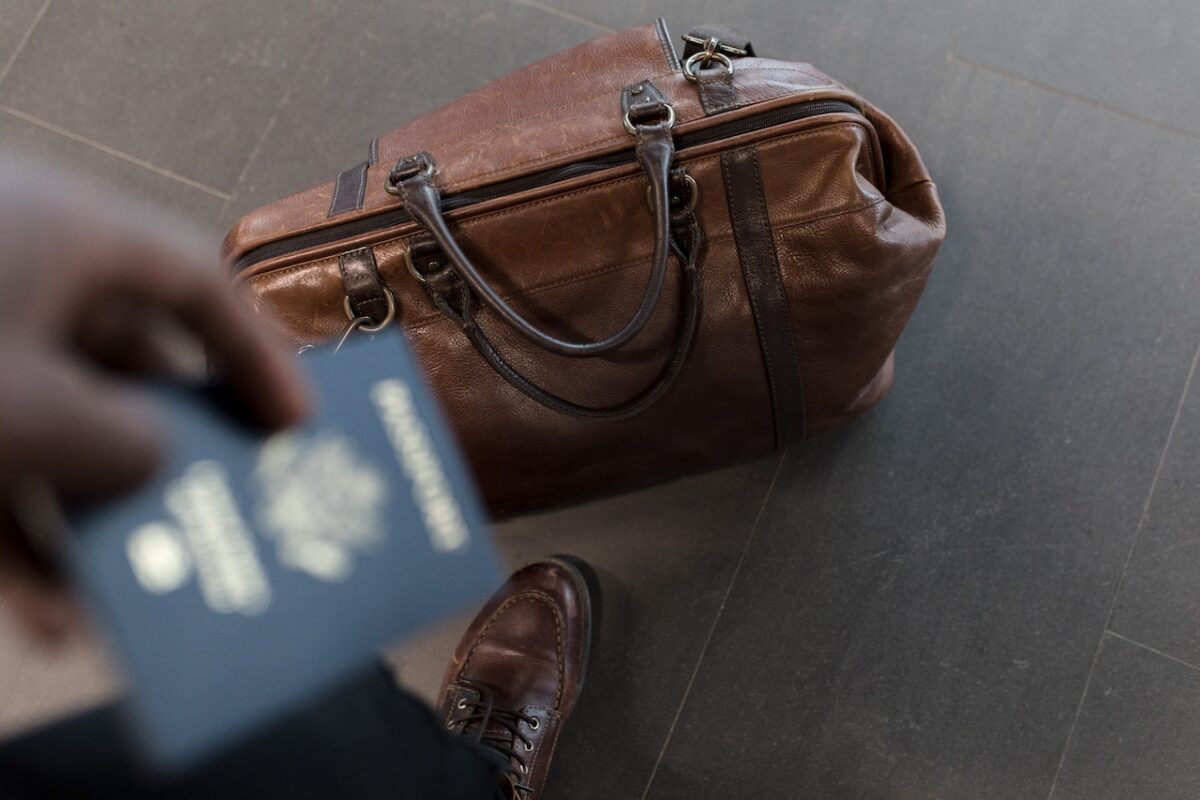
As someone who has recently started travelling, I know how daunting it can be to step out of your comfort zone and explore new places. The idea of navigating unfamiliar streets, communicating with locals in a foreign language and adapting to different cultural norms can all seem overwhelming at first. However, with the right mindset and preparation, travelling for the first time can also be incredibly rewarding.
That’s why I wanted to share some essential advice for new travellers. In this article, I will provide 10 tips that have helped me navigate my own travels so far. From packing light to connecting with locals and embracing adventure, these tips will help you make the most out of your travel experience while avoiding common mistakes along the way. So let’s dive in!
The Top Travel Tips You’ll Need to Hear
Overcome Your Travel Fears
Don’t let fear hold you back from experiencing the world – learn how to overcome your travel fears and take that first step towards adventure. As a solo traveller, I know how daunting it can be to leave everything behind and head into the unknown. One of my biggest fears was coping with homesickness, but I found that staying connected with loved ones through social media and taking time for self-care helped alleviate those feelings.
Another fear that many new travellers face is finding budget-friendly accommodations. But there are plenty of resources out there to help! Hostelworld and Booking.com are great websites for finding affordable guesthouses and hotels. And if you’re really on a tight budget, consider staying in hostels or even camping.
Remember that everyone has different fears when it comes to travel, but it’s important not to let them hold you back from experiencing the world. Take small steps towards overcoming your fears – whether it’s by starting with short weekend trips or connecting with other travellers online before your trip. The more you push yourself outside of your comfort zone, the easier it becomes to tackle any challenges that come your way on the road.
Loosely Use Your Guidebooks
Loosen up your reliance on guidebooks and connect with locals for insider tips – did you know that 85% of travellers who use local recommendations end up having a more authentic experience? Guidebooks are great for finding popular attractions and getting a general overview of a destination, but they often lack insider information about off-the-beaten-path destinations. To find those hidden gems, try connecting with locals through social media platforms like Meetup or Couchsurfing. Locals can provide you with firsthand knowledge and suggestions for places to visit that may not be in your guidebook.
When planning your trip, it’s important to strike a balance between planned activities and spontaneous exploration. While guidebooks can help you plan out your itinerary, don’t be afraid to deviate from it and explore on your own. Take advantage of free walking tours when you arrive at your destination these tours are led by locals who know all the best spots to visit, eat, and drink. You can also ask other travellers or hotel/hostel staff for recommendations.
Remember that travelling is about experiencing new things, so don’t limit yourself to just the popular tourist spots. Embrace spontaneity and go off the beaten path – you never know what amazing experiences await you! Use guidebooks as a foundation but fill in the details with up-to-date information from locals to ensure an unforgettable trip filled with authentic experiences.

Connect with Locals
To enhance your travel experience, connecting with locals is a must. They can provide insider knowledge about the destination that guidebooks simply cannot offer. Tips for meeting locals include attending local events, striking up conversations in cafes or bars, and joining group activities such as walking tours or cooking classes. Building relationships abroad can lead to a deeper understanding and appreciation of the destination, as well as personal growth and learning.
Cultural immersion opportunities abound when you connect with locals. They can introduce you to their customs and traditions, take you off the beaten path to hidden gems, and even invite you into their homes for a meal or cultural event. Talking to locals can also provide insight into local attitudes and lifestyles that may differ from your own. Being open-minded and respectful of these differences is key to building meaningful relationships abroad.
Connecting with locals may seem daunting at first, but remember that everyone is in the same boat when travelling. Don’t be afraid to strike up a conversation or ask for recommendations – most people are happy to share their knowledge and experiences with travellers. By taking the time to connect with locals, you’ll not only have a more authentic travel experience but also make lifelong friendships along the way.
Maximise Your Travelling Time
Maximizing your travel time is key to getting the most out of your trip, and did you know that according to a survey by Booking.com, 70% of travellers believe that planning activities in advance helps them make the most of their vacation? Efficient planning can help you avoid wasting time on unnecessary activities and ensure that you have enough time for everything on your itinerary. Before embarking on your journey, research the must-see attractions and prioritize them based on your interests.
Cultural immersion is an essential part of travelling, and it’s important to allocate enough time for exploring local customs and traditions. Mindful exploration means taking the time to appreciate each destination fully. Instead of rushing from one attraction to another, take a moment to soak in the atmosphere and observe how locals go about their daily lives. This will give you a deeper understanding of the culture and enrich your overall travel experience.
To maximize your travel time, consider using taxis or Uber for faraway attractions instead of public transportation. Purchasing tickets in advance can also save valuable time spent waiting in lines. Remember not to feel obligated to see everything on the list; it’s okay to skip boring attractions or alter plans if something more interesting comes up. Ultimately, efficient planning combined with cultural immersion and mindful exploration will help you get the most out of every moment spent travelling.
Pack Light
Packing efficiently is an important aspect of travelling without breaking the bank. Tips to make the most out of limited space can help you save money and pack more effectively.
When packing for your trip, remember to pack lighter by using compression packing cubes and multi-purpose shoes to save space in your backpack. Minimalist packing can be daunting for beginners, but it has many benefits. Not only does it reduce the weight of your luggage, but it also saves you money on baggage fees and reduces stress during travel.
Using compression packing cubes is a game-changer when it comes to travelling light. It allows you to condense your clothing into smaller compartments, freeing up space in your luggage. Multi-purpose shoes are another essential item for minimalist packing. Instead of bringing multiple pairs of shoes, opt for ones that can work for different occasions such as walking tours or dinner dates. Remember to wear the bulkiest items while travelling so you have more room in your luggage.

Get Travel Insurance
Protect yourself from the unexpected on your travels by investing in travel insurance, because life can throw curveballs when you least expect it! Travel insurance provides peace of mind and helps you travel with confidence. Here are some benefits of having travel insurance:
- Protection against illness or injury: When travelling to a foreign country, you may not be familiar with the medical facilities and services available. Travel insurance can provide coverage for emergency medical treatment, hospitalization, and even medical evacuation if necessary.
- Coverage for trip cancellation or interruption: If unforeseen circumstances such as a natural disaster or sudden illness prevent you from travelling or cut your trip short, travel insurance can help reimburse your expenses.
- Reimbursement for lost or stolen items: Losing important documents like passports or credit cards while travelling can be stressful. Travel insurance can provide reimbursement for lost or stolen items.
When choosing the right insurance policy, do your research to find one that meets your needs. Some common misconceptions about travel insurance include that it’s too expensive, unnecessary if you’re healthy, and only covers extreme situations. However, there are many affordable options available and accidents happen even to healthy travellers. Additionally, most policies cover a wide range of situations beyond just emergencies.
Overall, investing in travel insurance is essential for any traveller who wants to protect themselves from unexpected events that could potentially ruin their trip. Don’t take the risk – get covered today!
Take a Phone
Moving on from the importance of getting travel insurance, let’s talk about taking a phone with you on your travels. In today’s world, staying connected is essential for many travellers, especially when navigating new places. With a phone in hand, you can easily access directions, make reservations, and contact emergency services if needed.
Before leaving for your trip, it’s crucial to check your phone’s settings and roaming charges. Some providers offer free EU roaming, while others charge extra fees that could quickly add up. You can also restrict your phone to Wi-Fi only or turn off data roaming to avoid unexpected costs.
In addition to being connected while travelling, having a phone allows you to download helpful travel apps such as offline maps and translation tools. These apps can be a lifesaver when trying to navigate unfamiliar territory without an internet connection. By using your phone wisely and having it set up correctly before departure, you’ll be able to travel with ease and peace of mind knowing that you have all the necessary resources at your fingertips.
Be Flexible Travellers
Flexibility is key to having a stress-free and enjoyable travel experience, allowing for spontaneity and happy accidents along the way. When we plan too much, there’s no room for incorporating new information and advice that we learn on the road. That’s why it’s important to stay open-minded while travelling and embrace flexibility.
Here are some tips to help you maintain flexibility while travelling:
1. Have a loose itinerary: While it is important to have a general idea of what you want to see and do, having a strict itinerary can limit your ability to explore and enjoy spontaneous activities. Allow for some downtime and leave room for unexpected opportunities.
2. Be open to recommendations: Ask locals or other travellers for recommendations on places to go and things to do. You never know what suggestions you might get, and these spontaneous ideas can lead to amazing experiences.
3. Plan for contingencies: Have a backup plan in case your initial plans fall through. For example, if a tour gets cancelled, know in advance what alternatives are available.
4. Embrace the unexpected: Unexpected events can sometimes lead to the best experiences. Instead of getting upset when things don’t go as planned, embrace the opportunity to try something new.
5. Prioritize your priorities: Be willing to adjust your priorities, especially if it means experiencing something unique or memorable.
Remember, while it’s always good to plan ahead, flexibility is the key to a successful and rewarding travel experience. By being open to change and embracing new experiences, you’ll create unforgettable memories that will last a lifetime.
Adapting to change while travelling solo can be challenging, but it’s an important skill to master. Being open-minded allows us to embrace unfamiliar situations with ease and make the most out of them. Remember that travel is a personal journey, so don’t be afraid to step outside your comfort zone and try new things. Embrace flexibility, go with the flow, and enjoy all that travel has in store for you!
Bring Extra Money
As we’ve discussed, flexibility is key when travelling. But what happens when unexpected expenses arise? That’s where budgeting tips and managing expenses come into play. It’s essential to bring extra money when travelling to account for emergencies or spontaneous activities.
I always make sure to overestimate my budget before leaving home. If I plan to spend £2,000 on a trip, I’ll bring at least £2,500 with me. This gives me some wiggle room in case something comes up that wasn’t accounted for in my planning. Whether it’s an unplanned excursion or a pricey restaurant, having emergency funds can alleviate stress and allow me to fully enjoy my travels without worrying about going over budget.
Managing expenses also means being mindful of how much you’re spending each day. One way I do this is by tracking my spending in a journal or using a travel app that helps keep track of expenses. This allows me to see where my money is going and adjust accordingly if necessary. By following these simple budgeting travel tips and keeping an emergency fund on hand, I can ensure that unexpected expenses won’t derail my travel plans and I can fully enjoy every moment of the journey.

Embrace the Adventure
When you’re travelling solo, embracing uncertainty and trying new things can lead to unforgettable adventures. It’s easy to get caught up in planning every detail of your trip, but sometimes the best experiences come from saying yes to unexpected opportunities. Whether it’s trying new food or joining a local festival, taking risks can lead to some of the most memorable moments of your journey.
Embracing uncertainty also means building confidence in yourself and your abilities. When you’re on your own in a foreign place, it can be intimidating to navigate unfamiliar streets or communicate with locals who don’t speak your language. But by pushing yourself out of your comfort zone and taking on new challenges, you’ll gain a sense of independence and self-assurance that will serve you well both on the road and in life.
Of course, embracing adventure doesn’t mean throwing caution to the wind. It’s important to stay safe while exploring new places and always trust your instincts when it comes to personal safety. But by balancing careful planning with an open mind and willingness to take risks, you’ll create a travel experience that is uniquely yours and one that will leave you with memories for years to come.