


Travelling alone can suit an introvert well: you can take a quiet morning, leave a crowded attraction and choose when to talk. It can also become tiring when every day involves unfamiliar places and practical decisions.
The answer is not to avoid people or force yourself into a more outgoing version of travel. Build a trip with enough privacy to recover and enough optional structure that you do not have to organise every social moment from scratch.
Separate privacy from isolation
A private room and some shared activities can work together. You might prefer a hotel and a daily walking tour, or a guesthouse where breakfast offers an easy conversation. You do not have to book a dormitory to prove that you are open to meeting people.
Equally, the quietest property may not be the best fit if it is far from meals and transport. Being alone is more enjoyable when ordinary tasks remain manageable. Look for a base that gives you choices rather than one that requires a major outing every time you need food.
Allow time between demanding activities
A full day of transport, a crowded attraction and a long group dinner may be more than you want in one stretch. Space those activities out. Put a quiet café break or time at your accommodation between them.
When booking a course or tour, check the whole programme. “Free time” may mean genuinely optional hours, or it may be a short gap within a busy schedule. Ask which meals and excursions are compulsory if the distinction matters to you.
One way to plan is to mark activities as socially demanding, practically demanding or restful. Avoid stacking several demanding periods together simply because the map makes them look convenient.
Choose social situations with a clear purpose
Small practical classes can make interaction less open-ended. You have a reason to ask a question, something to do with your hands and a natural end to the session. That may feel easier than entering a lounge where groups have already formed.
The activity still needs to interest you. There is little benefit in spending an afternoon on a subject you dislike solely because someone described it as good for making friends.
If you find an enjoyable group, you can accept an invitation afterwards. If you have had enough, leaving at the scheduled finish is a complete and polite option.
Plan evenings before you are tired
It can be harder to choose a restaurant or decipher transport information after a busy day. Save a few straightforward options near your base and decide which evenings need bookings. A simple meal and an early return may be exactly what makes tomorrow enjoyable.
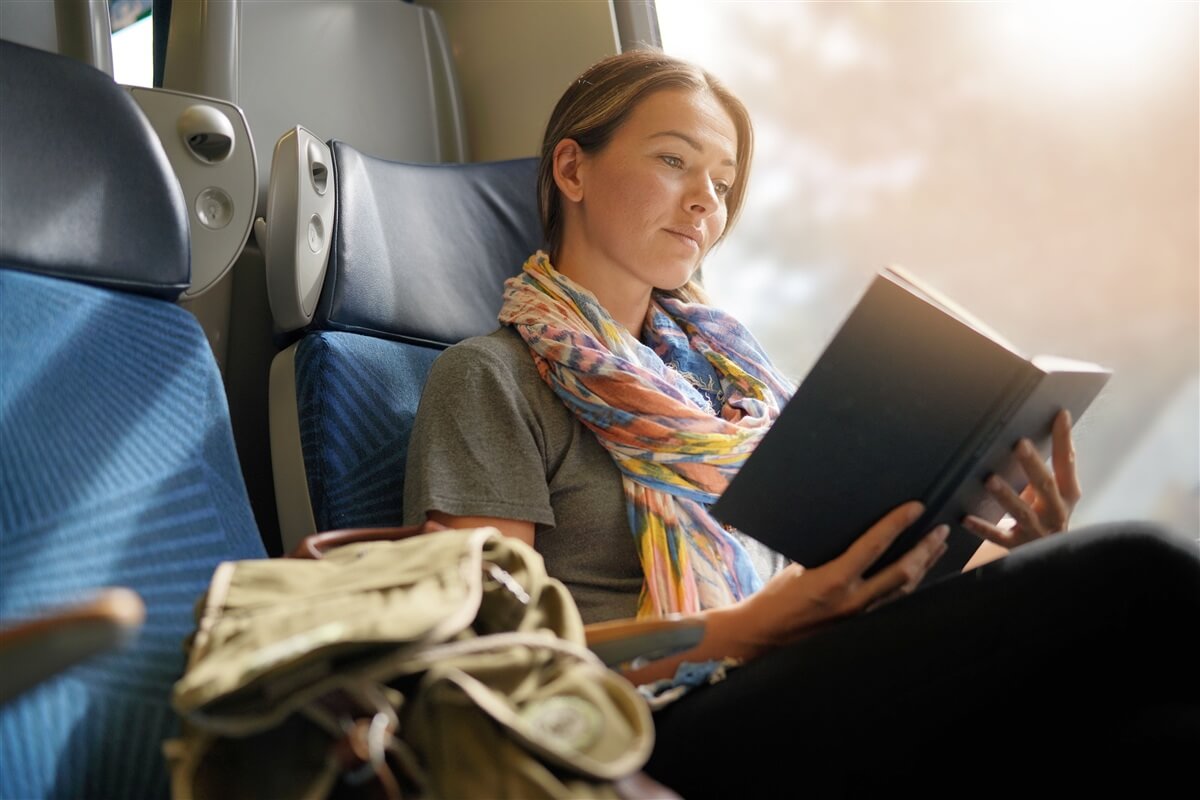
Bring something you like doing alone: a book, sketchbook, music with headphones or photographs to sort. You are not obliged to fill an unfamiliar evening with an unfamiliar social scene.
If sitting in a restaurant alone is the part you find awkward, our guide to eating alone can help you approach it in smaller steps. You can also start with a substantial lunch and a simpler dinner.
Use small scripts for practical situations
Deciding in advance how to ask for a table, confirm a meeting point or decline an invitation can save energy. A brief “Thank you, I’m having a quiet evening” is enough; you do not need to explain your personality to a new acquaintance.
Learning a few useful phrases in the local language can also make routine interactions feel less uncertain. Keep a written version of your accommodation address for moments when pronunciation or background noise gets in the way.
Leave room for preferences to change
You may want more company on the third day than on the first. Keep some activities unbooked so you can respond. A holiday arranged around your energy should be flexible, rather than a rule that says you must always be alone.
Notice the difference between needing rest and wanting connection. If you are tired, another excursion may not help. If you are rested but bored with your own company, a purposeful group activity may be more useful than another afternoon in the room.
Judge the trip by what you enjoyed
You do not need dramatic stories about strangers or a packed social calendar. Spending an hour in a gallery because nobody is rushing you is a real benefit of solo travel.
Start with a manageable itinerary using our trip-planning guide, then adapt the pace. The goal is a holiday that feels satisfying while you are taking it, including the quiet parts that may not produce an interesting photograph.